Robyn Mineko Williams
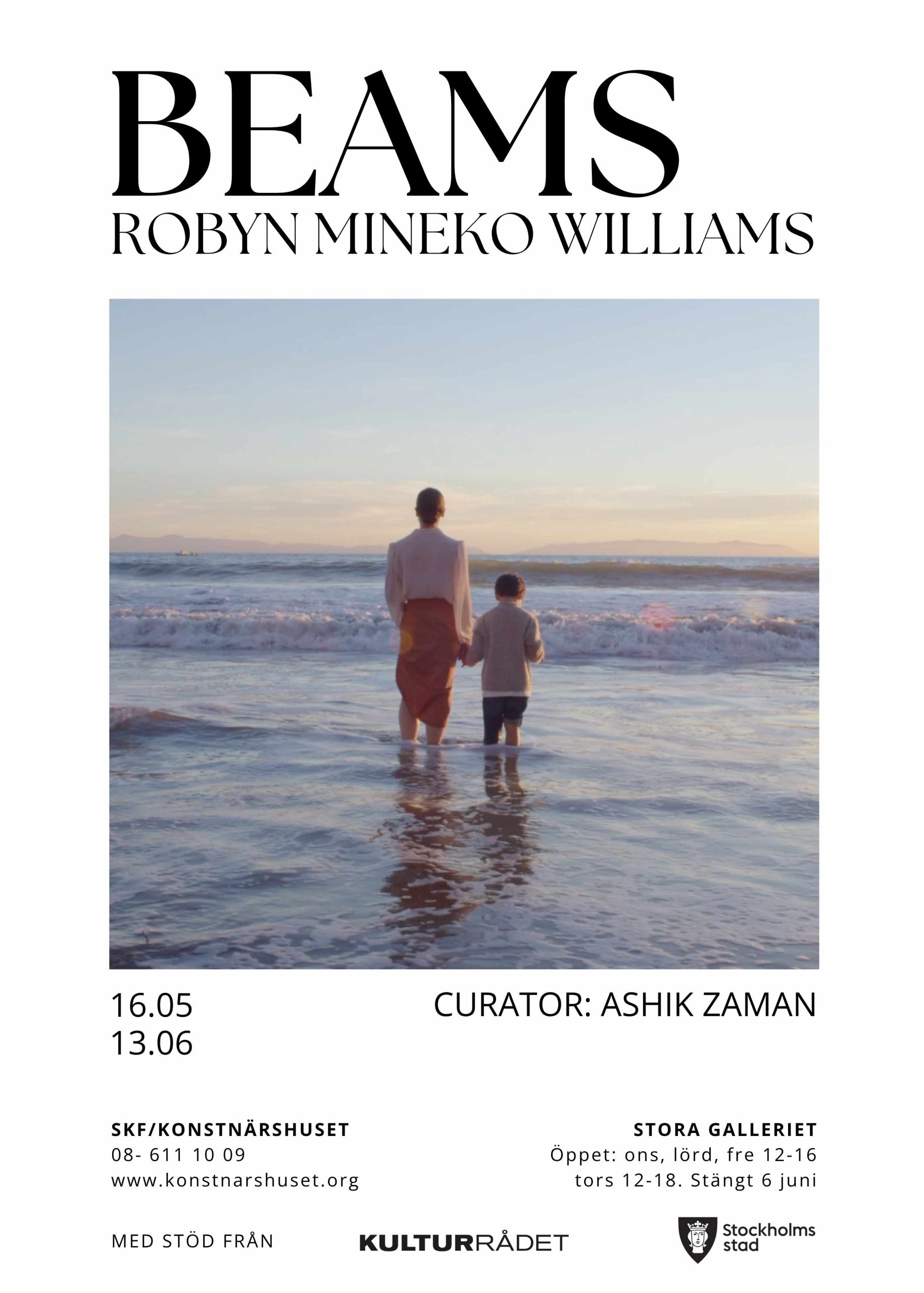
- 16 maj – 13 jun
- Stora galleriet
Beams
Öppettider: ons, fre, lörd kl. 12-16, tors kl. 12-18. Stängt lördag 6/6
Vernissage: 16/5 kl. 13-16
Curator: Ashik Zaman, konstnärlig ledare SKF/Konstnärshuset
Ljuddesign: Soundscape av Macie Stewart
Teknik och produktion: Arne Widman
For English text, see below
Jag träffade Robyn Mineko Williams i USA en kort tid innan ett avgörande skede i landets historia. Det fanns en farhåga om vad som kunde komma att hända, men denna tid, under frekventa resor dit, var fortfarande präglad av lust och en viss frihetskänsla. På SKF/Konstnärshuset har en ambition varit att överbrygga avstånden mellan samtidskonst och andra konstnärliga fält, vilket svarar mot en av anledningarna till att utställningsidén uppstod. Redan tidigt under processen hann historien komma ikapp igen, enligt devisen att historien tenderar att upprepa sig.
Dragningen till Mineko Williams arbete bestod dels i den personliga vidden av en historiskt präglad berättelse som man talar väldigt lite om där, och vet än mindre om här – där okunskapen också kan antas bidra till fortsättningen. Dels fanns det också en nyckel i en allmänmänsklig vinkel och ett ömt och förlösande utrymme att tänka kring familj, kärlek och generationsarv.
Jag började med frågor till min mormor, som var nittiotre eller nittiofyra år gammal vid den tiden, om hennes liv före och under tiden på ”camp”, det ord som hon och min familj använde för att referera till de interneringsläger där de hölls. Den japansk-amerikanska interneringens historia var inom vår familj inget man talade om i detalj. Min mormor brukade säga saker till oss när vi växte upp om soldaterna, vakttornen och taggtråden. Men sedan kunde min morfar, som befunnit sig på en annan anläggning, nämna att han var med i ett basebollag, att han sprang omkring och gjorde vad han ville. Så vi fick dessa motsägelsefulla bilder från dem.
Med tiden utvidgades mina intressen till att även omfatta min familjs och deras communitys erfarenheter efter att de lämnat lägren. Hur var det för dem att komma ut och återinträda i det amerikanska majoritetssamhället? I Chicago fick japansk-amerikaner höra att de inte skulle förena sig. De uppmanades att helt enkelt gå vidare och… ”vara så amerikanska som möjligt.” Den japansk-amerikanska interneringen behandlades i ett enda stycke i min historiebok på gymnasiet. När jag samlade mer från min mormor och min mosters berättelser och lärde mig mer om vad som hade hänt, fick det mig att reflektera över min egen familj, över hur min mamma och hennes syskon uppfostrades. Jag blev nyfiken på mina morföräldrars val och hur dessa val hängde samman med deras erfarenheter före lägret, i lägret, efter lägret och deras assimilering i Chicago.
Min mamma, som jag står väldigt nära, tog också hand om min mormor vid den tiden. Jag började se komplexiteter i deras relation som jag aldrig tidigare hade lagt märke till eller varit medveten om. Jag frågade mig själv: Hur påverkade interneringen hur min mamma och hennes syskon uppfostrades? Hur påverkade den hur min mamma uppfostrade mig och min bror? Och hur påverkar den hur jag uppfostrar min son idag? Min utforskning och nyfikenhet förändrades genom att jag följde dessa ringar på vattnet och efterverkningar av interneringen. För det är också den tid vi genomlever ”nu”.
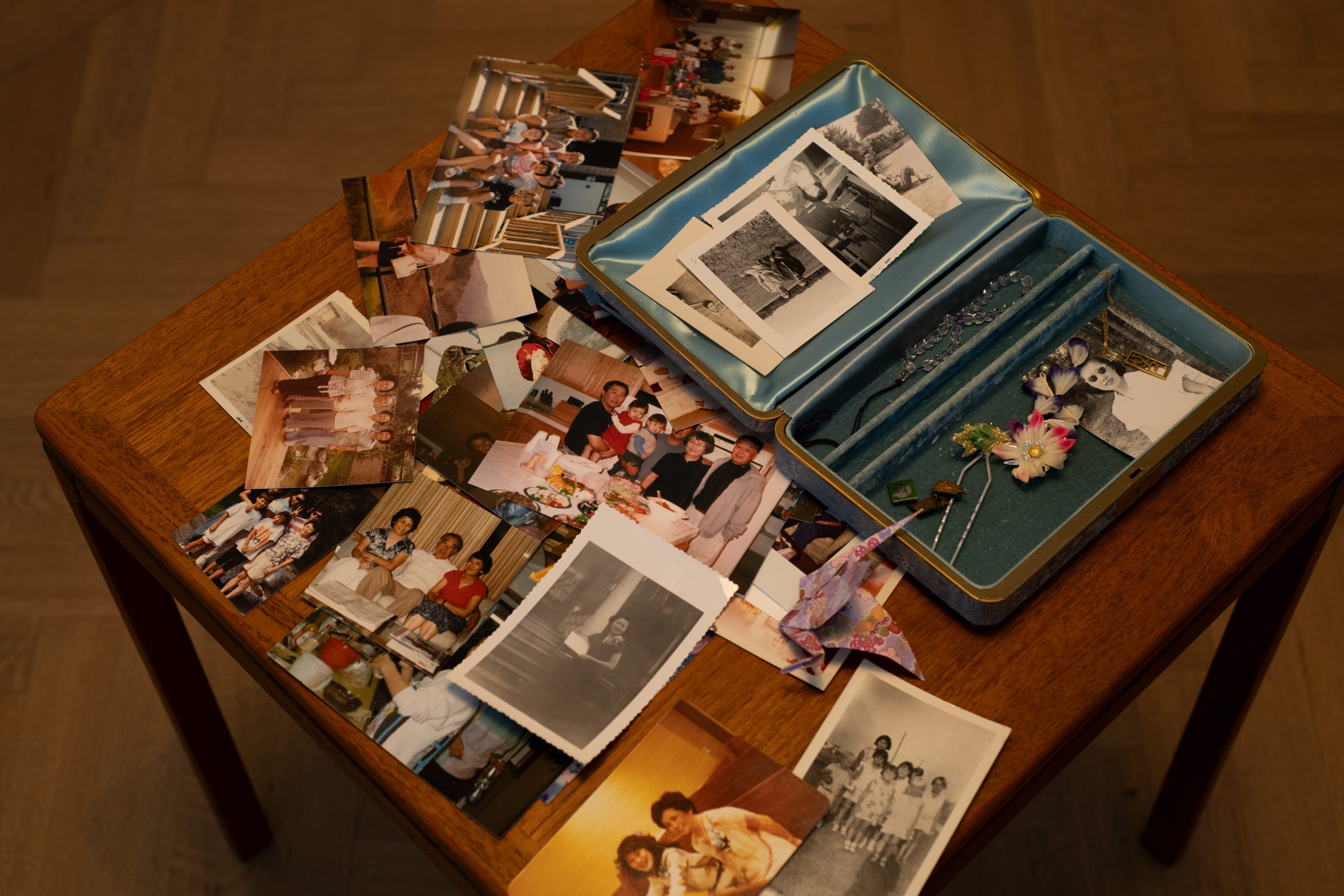
Min nu avlidna mormor, Nancy Hisako Nishimura, bodde i årtionden i samma hus från mitten av 1900-talet som hon och min morfar byggde tillsammans i Lombard, Illinois, i slutet av 1950-talet. Jag älskade detta hus; det är platsen där min familj samlades och som bevittnade de berättelser, dynamiker, relationer och följder som jag idag försöker förstå. Huset blev en behållare för arbetet.
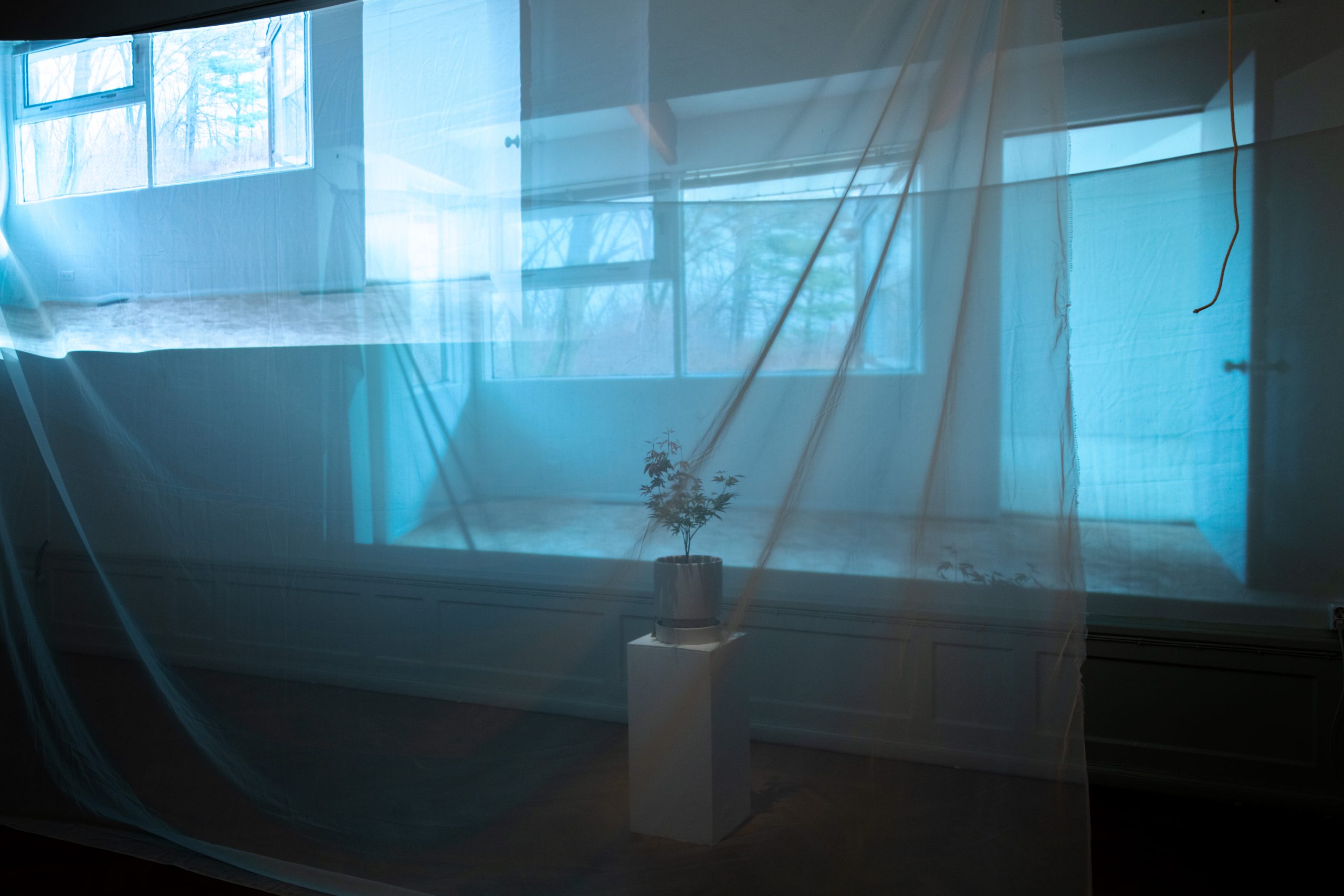
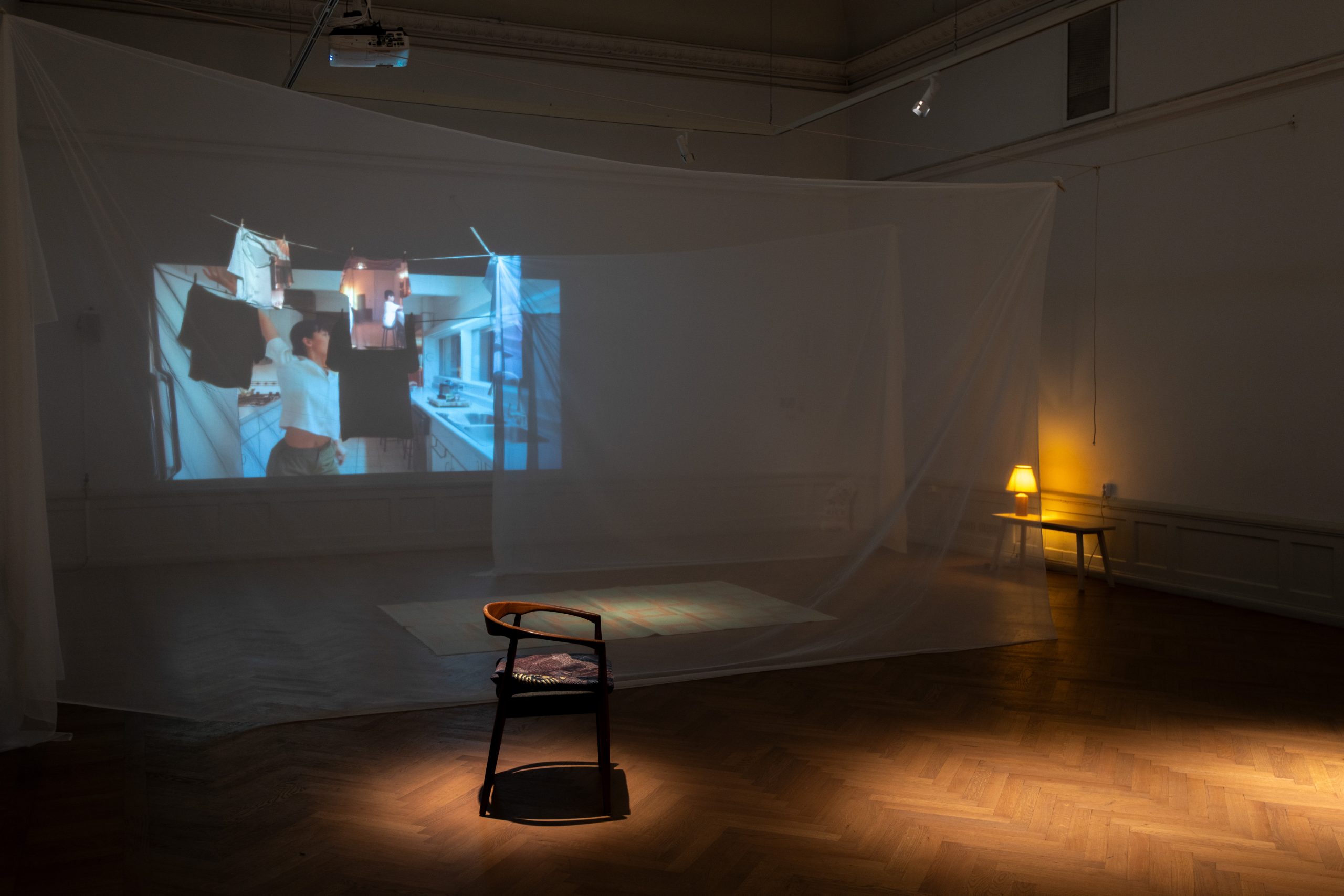
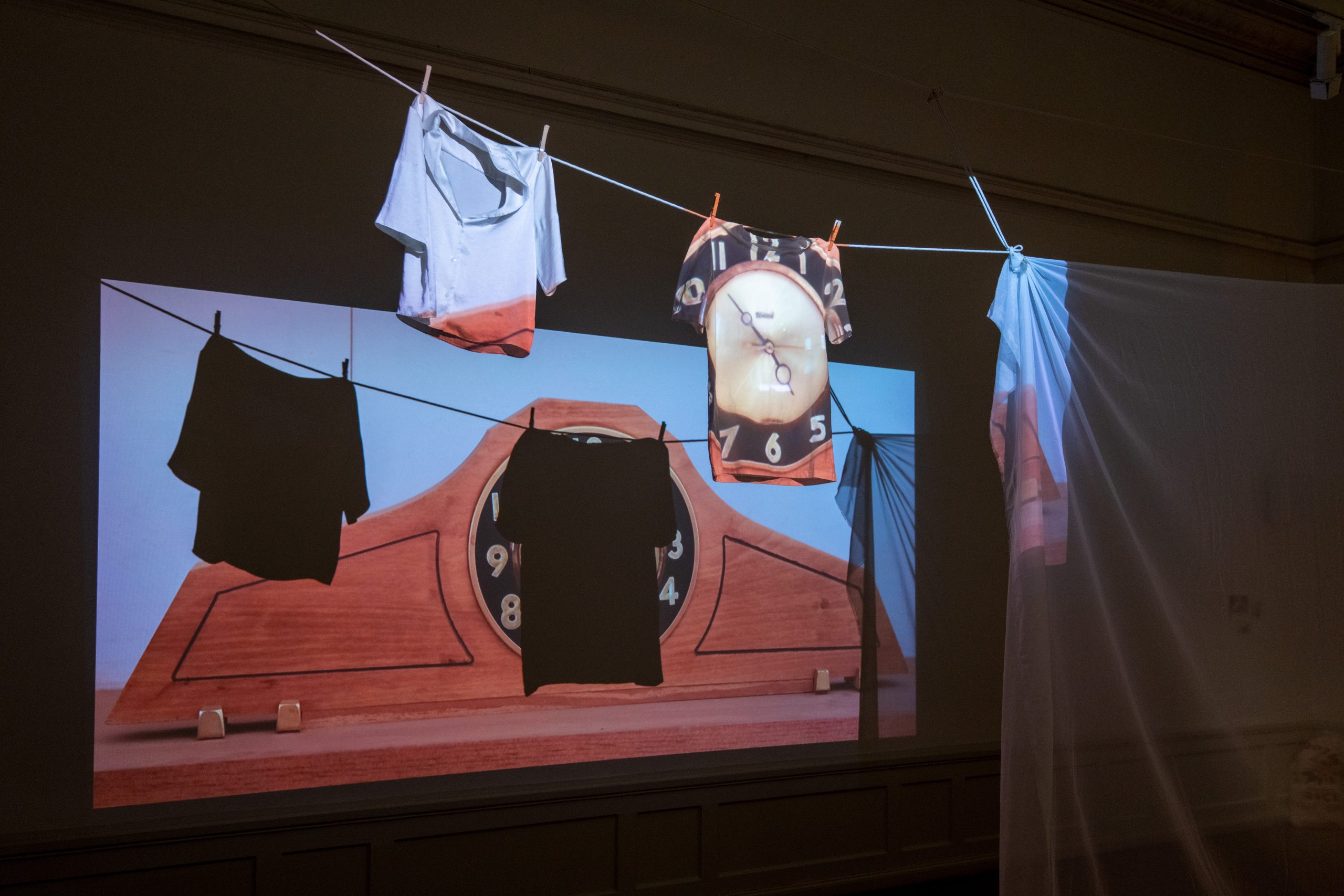
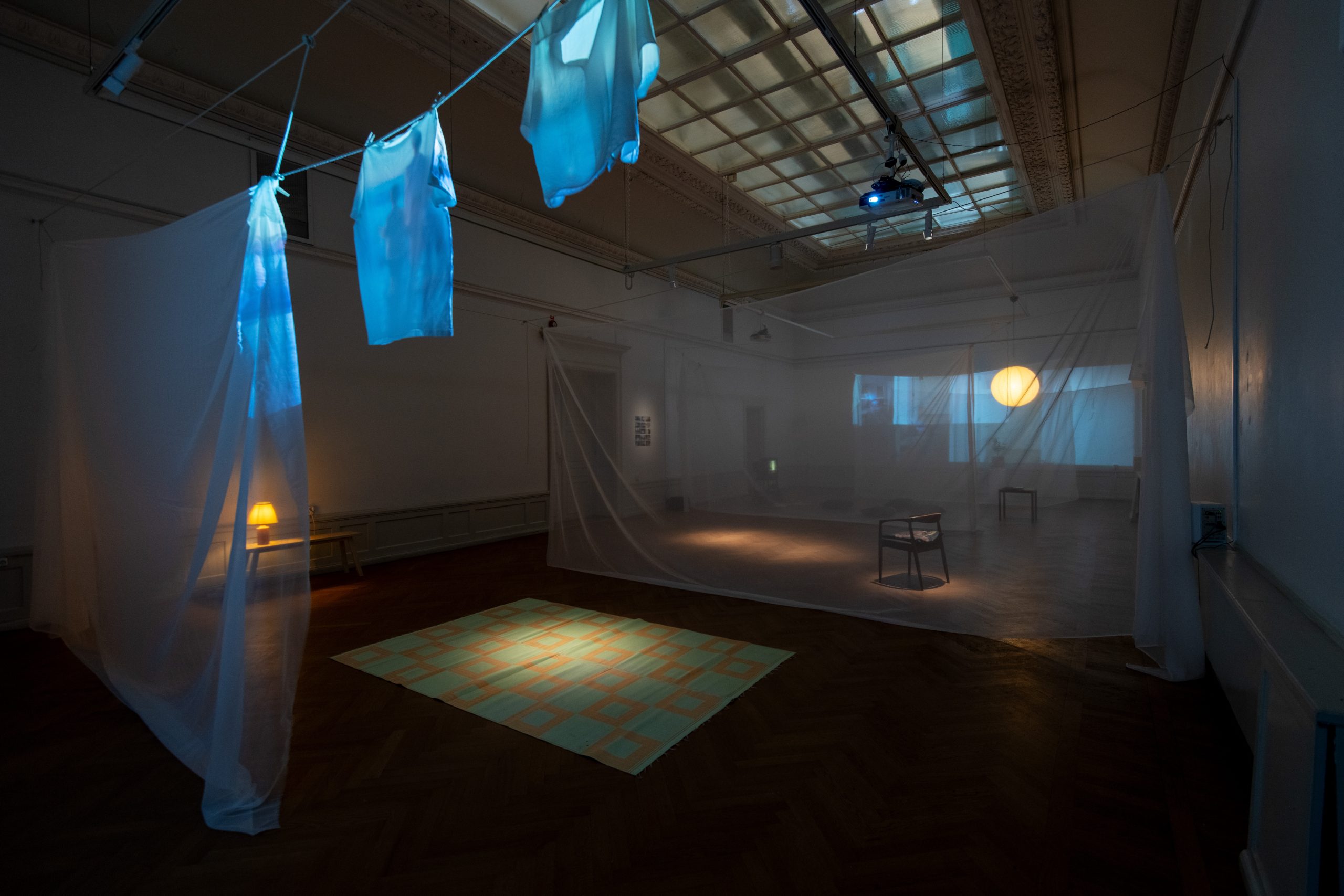
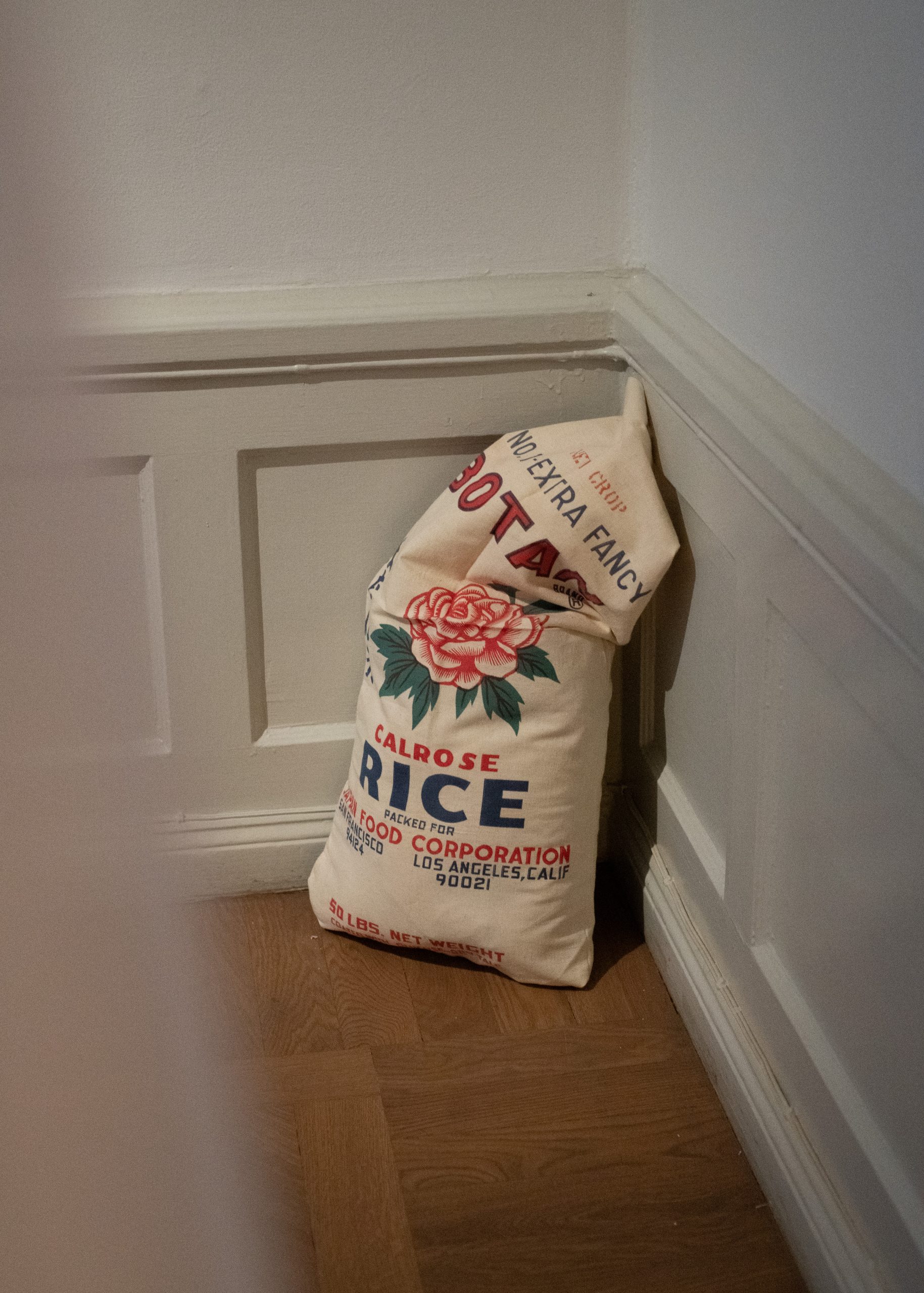
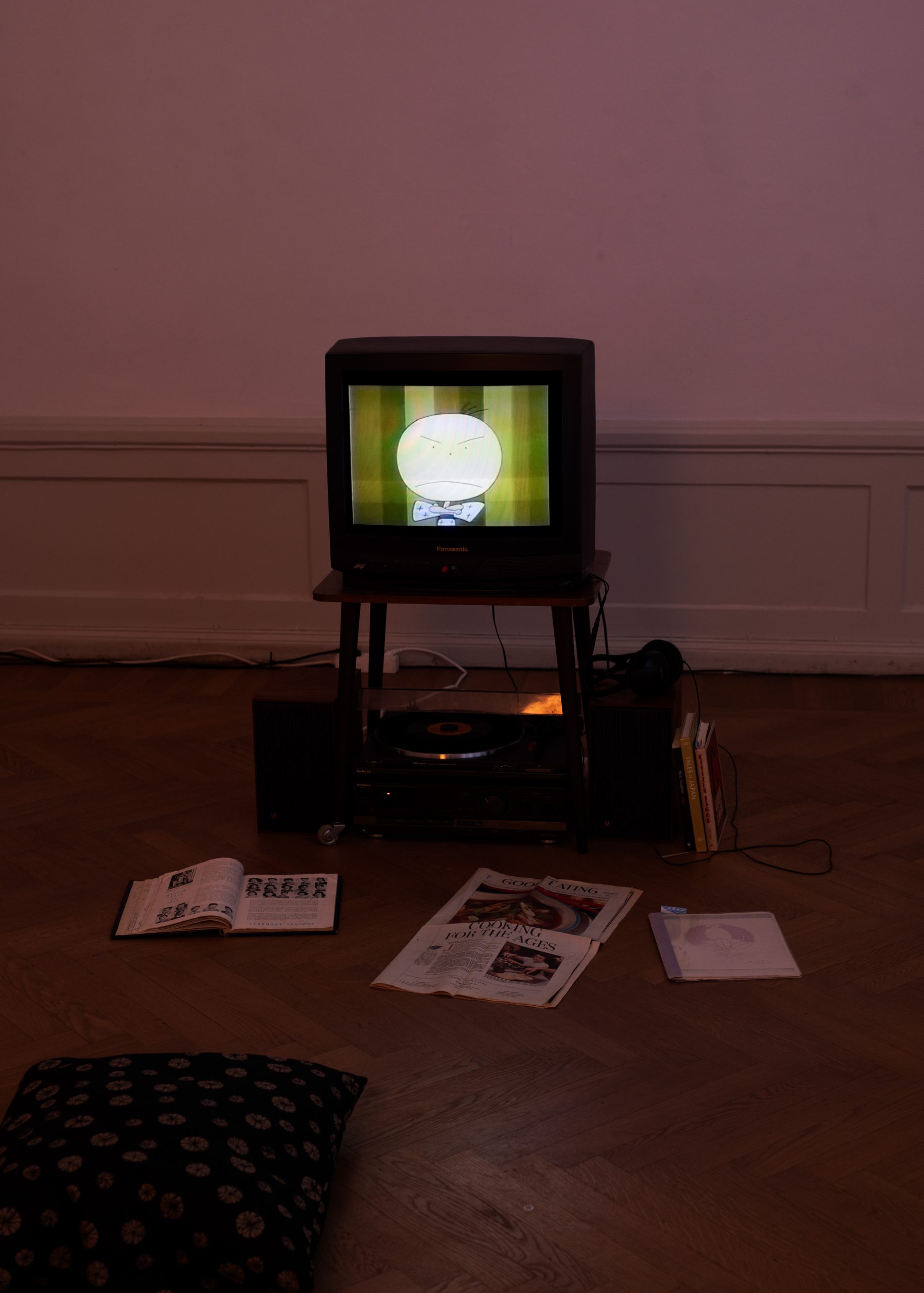
För utställningen Beams har jag skapat en serie rum att vara i och röra sig igenom, en rumslig representation av hem, tid och minnen som flätas samman och påverkar varandra, lite som vågor.
Om konstnären:
Robyn Mineko Williams är en regissör, koreograf och interdisciplinär konstnär, bosatt i Chicago, som ofta dras till gestaltningar av minne, tid och härstamning. Hon är grundare av Robyn Mineko Williams and Artists (RMW&A), en kollektiv samarbetsplattform som väver ihop dans och rörelse, design och ljud för att skapa platsspecifika verk som suddar ut gränserna mellan performance, installation och offentligt rum. Hennes arbete har presenterats nationellt och internationellt på ledande scener och festivaler, med verk på MCA Chicago och för Pacific Northwest Ballet och Hubbard Street Dance Chicago, bland andra. Hon har tidigare mottagit stipendiet Princess Grace Foundation-USA Choreographic Fellowship och Walder Foundation Platform Award, och har haft residens vid Baryshnikov Arts Center, The Momentary at Crystal Bridges och Chicago Cultural Center. Robyn Mineko Williams är också verksam som lärare vid Chicago Academy for the Arts.
Läs en intervju med Robyn Mineko Williams i Bomb magazine om arbetet bakom utställningen
Läs en intervju med Robyn Mineko Williams i C-print
Läs om utställningen ”Beams” i denna artikel i Chicago Reader: ”AAPI Heritage Month on local stages (and abroad)”
Utställningen omnämns på Tobias Hübinettes blogg
Läs om utställningen i Daily Lazy
Intervju med Robyn Mineko Williams om ”Beams” i Japan Contemporaries av Jake Price
Opening hours: Wed, Fri, Sat 12–4 PM; Thu 12–6 PM. Closed Saturday June 6
Opening reception: May 16, 1–4 PM
Curator: Ashik Zaman, Artistic Director, SKF/Konstnärshuset
Soundscape by: Macie Stewart
Tech and production: Arne Widman
I met Robyn Mineko Williams in the United States a short time before a crucial turning point in the country’s history. There was a sense of apprehension about what might happen, yet this period—during frequent travels there—was still marked by a certain ease and a feeling of freedom. At SKF/Konstnärshuset, there has been an ambition to bridge the gaps between contemporary art and other artistic fields, which speaks to one of the reasons why the exhibition idea emerged. Early on in the process, history seemed to catch up with us again, in keeping with the notion that history tends to repeat itself. The pull toward Mineko Williams’s work stemmed partly from the personal scope of a historically-shaped narrative that is spoken of very little there, and known even less about here—where this ignorance may also be seen as contributing to a continuation. A key factor lied as well in its universal human perspective, and in the gentle, potentially cathartic space it offers for reflecting on family, love, and generational inheritance.
Robyn Mineko Williams about her work with Beams:
I started with questions to my grandmother, who was ninety-three or ninety-four at the time, about her life before and during “camp”, the word she and my family would use in reference to the incarceration sites they were held in. Japanese American incarceration history, in our family, wasn’t something that was talked about in detail. My grandmother would say things to us while we were growing up about the soldiers, the watchtowers, and the barbed wire. But then my grandfather, who was at a different site, would mention that he was on a baseball team, that he would run around and do what he wanted. So, we got these conflicting blips of imagery from them.
Over time, my interests expanded to include the experience of my family and their communities after they left camp. What was it like for them coming out and reentering mainstream American society? In Chicago, Chicagoans, Japanese Americans, were told to not congregate. They were told to just go forth and…like, “be as American as you can.” Japanese American incarceration was covered in a single paragraph in my high school history book. As I gathered more from my grandmother and my auntie’s stories and learned more about what happened, it made me reflect on my own family, on how my mom and her siblings were raised. I became curious about my grandparents’ choices and how those choices correlated to their experiences pre-camp, in camp, after camp, and assimilating in Chicago.
My mom, who I’m very close with, was also caretaking for my grandma at the time. I was starting to see complexities in their relationship that I had never noticed or been aware of. I was asking myself, How did incarceration impact the way my mom and her siblings were raised? How did it affect how my mom raised me and my brother? And how does it affect the way I’m raising my son now? My exploration and curiosity changed by pursuing that ripple and aftermath of incarceration. Because it’s what we’re living now.
My late grandmother, Nancy Hisako Nishimura, lived for decades in the same midcentury home she and my grandfather built together in Lombard, IL during the late 1950’s. I loved this house; it’s the place where my family gathered together and that was witness to the stories, dynamics, connections and ripples that I’m attempting to learn about today. It became a container for the work.
For Beams, I’ve created a series of rooms to be in and move through, a spatial representation of home, time, and memories that intertwine and inform one another, a bit like waves.
Robyn Mineko Williams thanks;
Jt Williams, Mike Gibisser, Chris Wood, Jacqueline Burnett, Jie-Hung Connie Shiau, Stephanie Terasaki, Jesse Obremski, Knox Murdock, Jay and Donna Williams, Andrew Murdock, The Nishimura Family, The Williams Family, Mike Reed, Meredith Dincolo and Jose Alejandro Segura, Hanna DiLorenzo, Frances Whitford, Kevin Shannon, my auntie Pauline Nishimura and my grandma, Nancy Hisako Nishimura.
About the artist:
Robyn Mineko Williams is a Chicago-based director and interdisciplinary artist drawn to embodiments of memory, time, lineage, and our relationships with traces left of the people we encounter. She is the founder of Robyn Mineko Williams and Artists (RMW&A), a collaborative platform that intertwines movement, design, and sound to create place-sensitive works that blur the boundaries between performance, installation, and public space. Her work has been presented nationally and internationally at leading venues and festivals, with commissions from MCA Chicago, Pacific Northwest Ballet and Hubbard Street Dance Chicago, among others. She is a recipient of the Princess Grace Foundation-USA Choreographic Fellowship and the Walder Foundation Platform Award, and has held residencies at Baryshnikov Arts Center, The Momentary at Crystal Bridges, and the Chicago Cultural Center. Williams works as a creative director and movement consultant across film, installation, and immersive events, and serves on faculty at the Chicago Academy for the Arts.
Read an interview with Robyn Mineko Williams in Bomb Magazine about the work behind the exhibition
Read an interview with Robyn Mineko Williams in C-print
Read about ”Beams” in this article in Chicago Reader: ”AAPI Heritage Month on local stages (and abroad)”
The exhibition is mentioned on Tobias Hübinette’s blog
Read about Beams on Daily Lazy
Interview with Robyn Mineko Williams about ”Beams” in Japan Contemporaries by Jake Price
SKF/Konstnärshuset har stöd från Kulturrådet och Stockholms stad. Under våren 2026 uppgraderades belysningen i Stora galleriet tack vare bidrag från Stockholms stad.